
INNOVATIVE ALTERNATIVE ROAD CONSTRUCTION TECHNOLOGIES
Over the years, MTRD has undertaken several research initiatives aimed at informing the development and improvement of road design and construction standards. As the Ministry’s primary research arm, MTRD promotes the adoption of innovative technologies, materials, and practices that are modern, sustainable, environmentally friendly, and climate resilient.
With increasing traffic demand, changing land use patterns, depletion of natural material sources, rising costs of quality construction materials, and the growing impacts of climate change, there is an urgent need to explore innovative and non-conventional materials and construction methods.
Through collaborations with road agencies, development partners, manufacturers, and technology promoters, MTRD has conducted and continues to undertake research to identify sustainable options for the design, construction, and maintenance of road infrastructure. The outcomes of these initiatives have contributed to the review and updating of the Road Design Manual (RDM) and the Standard Specifications for Road and Bridge Construction, which were launched by the Ministry in June 2025.
The updated Road Design Manual incorporates several new materials and technologies based on both local experience and international best practices to support improved road design and construction approaches.
Soil Stabilization Techniques
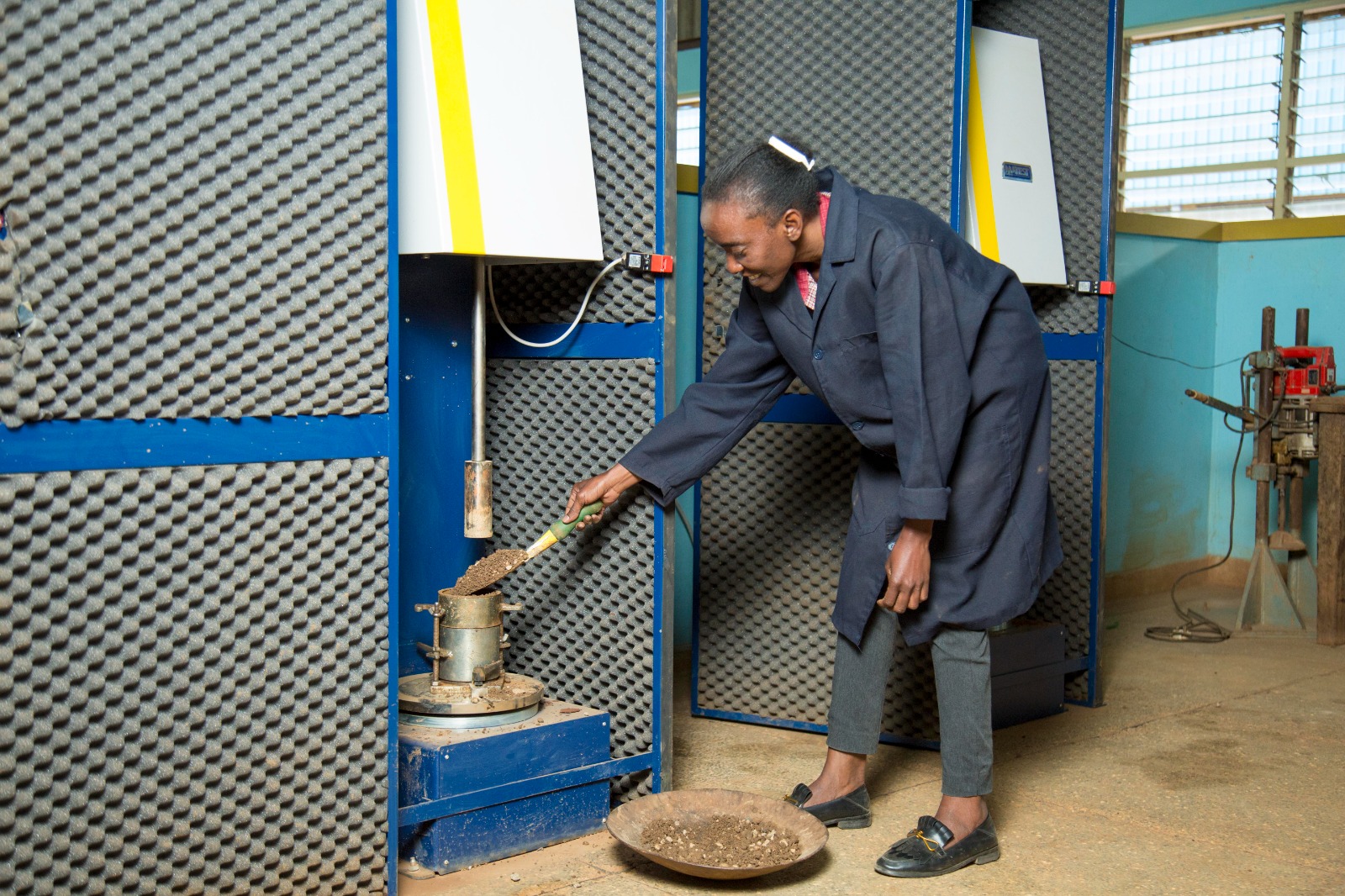
Earlier road design manuals and specifications mainly provided for the chemical stabilization of soils and aggregates using Portland cement and/or hydrated lime. The updated manuals now include hydraulic road binders (HRBs) and bitumen emulsions for the stabilization of soils and crushed rock aggregates to enhance their strength and engineering properties.
Standards for hydraulically treated materials and bitumen-stabilized materials have been expanded to support improved road construction practices. Stabilizing locally available materials reduces the need to import or transport construction materials over long distances, thereby lowering overall construction costs.
Recycled Pavements
The use of Reclaimed Asphalt Pavement (RAP) is increasingly being adopted in road construction as a sustainable solution that promotes the reuse of materials from existing pavements. The process involves milling or removing the existing asphalt layer, followed by crushing, screening, and blending the reclaimed material with fresh bitumen to produce a new asphalt mix suitable for road construction.
This approach reduces material waste, conserves natural resources, and lowers construction costs while maintaining pavement performance.
Cold Mix Technology
Cold mix technology utilizes bitumen emulsions or foamed bitumen instead of conventional hot bitumen, allowing asphalt mixtures to be produced and applied at ambient temperatures. This process eliminates the need for heating aggregates and binders, resulting in significant energy savings and reduced greenhouse gas emissions.
Cold mix technologies are particularly suitable for low- to medium-traffic roads and are advantageous in remote areas where hot mix asphalt plants may not be easily accessible.
Bitumen and Bituminous Mixes
In addition to conventional straight-run bitumen, cutbacks, and emulsions, the revised standards now incorporate additional binder types including polymer-modified bitumen, polymer-modified emulsions, hard paving grade bitumen, and performance grade bitumen.
These additions allow for the selection of binders based on specific traffic loading conditions and climatic environments rather than applying a single binder type for all roads. For example, surface dressing using polymer-modified bitumen on heavily trafficked roads provides improved performance compared to straight-run bitumen. Similarly, advanced asphalt mixtures such as Superpave, Stone Mastic Asphalt (SMA), and High Modulus Asphalt enhance pavement durability and structural performance.
Concrete Pavements
Concrete pavements have historically been less common in Kenya due to their relatively high initial construction cost and the requirement for high traffic volumes to justify their use. However, in recent years, concrete pavements have been constructed on heavily trafficked road sections such as Mombasa–Kwa Jomvu and James Gichuru–Rironi.
In addition to conventional concrete, fibre-reinforced concrete provides improved crack resistance, while roller-compacted concrete (RCC) offers a cost-effective alternative for pavements in heavily trafficked environments such as industrial areas, ports, and freight corridors.
MTRD continues to collaborate with manufacturers and innovators to explore alternative materials and technologies, including road signs manufactured from materials with no scrap value to deter theft, safety guardrails designed to reduce injury upon impact, prefabricated culverts, alternative soil stabilizers, and geosynthetic materials for road and drainage works.
By:
Eng. Esther E. Amimo (MTRD)
Mr. Amos M. Nzyoka (MTRD)