
Multi-Agency Teams Inspect Isiolo–Wajir–Mandera Corridor to Accelerate Delivery of Transformative Project
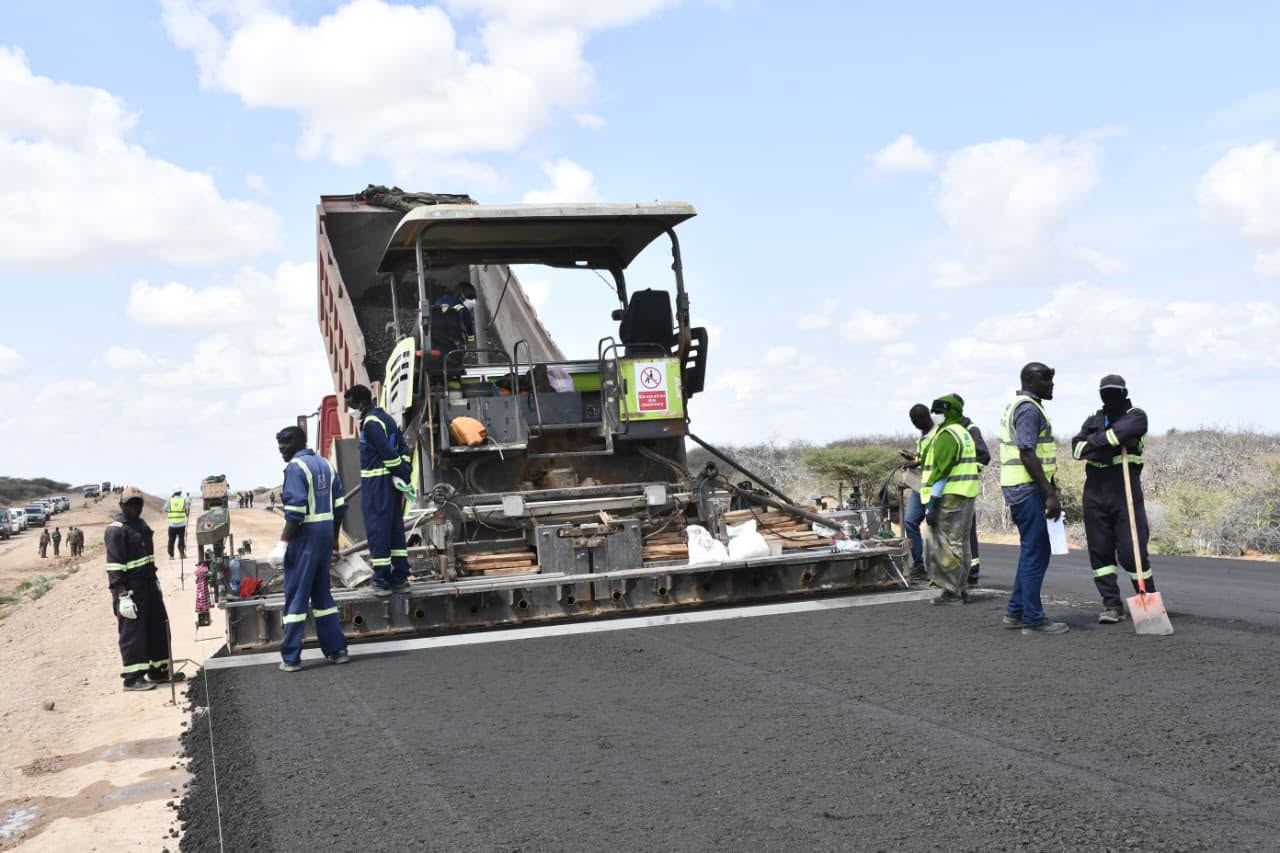
Isiolo, Kenya, June 2026 – A multi-agency team has intensified oversight of the transformative Isiolo–Wajir–Mandera Road Project through an inspection mission aimed at assessing progress along the strategic corridor under the Horn of Africa Gateway Development Project (HoAGDP).
The mission, led by State Department for Roads World Bank Projects Team Leader Eng. James Theuri, brought together officials from the State Department for Roads, the World Bank, and partner agencies to review implementation progress along the Isiolo–Kulamawe–Modogashe section of the corridor.
The inspection commenced from kilometre zero on the Isiolo–Marsabit Highway and covered the Isiolo–Kulamawe and Kulamawe–Modogashe sections. The team also visited construction camps and material sites and participated in a tree-planting exercise to promote environmental sustainability.
Speaking during the inspection, Eng. Theuri reaffirmed the Government’s commitment to delivering the 740-kilometre corridor by 2030. He noted that the project, which became effective in December 2020, is jointly financed by the Government of Kenya, the World Bank, the African Development Bank, and other development partners.
He described the corridor as more than a road project, terming it a strategic investment that will unlock Northern Kenya’s economic potential, enhance regional integration, promote cross-border trade, strengthen security, and expand access to essential services.
Eng. Theuri further emphasized the importance of sustained collaboration among implementing agencies, development partners, and local stakeholders to ensure the timely and successful delivery of the project.
As part of the mission, the delegation visited the Kenya National Highways Authority North Eastern Regional Offices in Isiolo and held consultations with the Isiolo County administration, including Deputy County Commissioner Edward Kuria.
The discussions focused on project implementation progress and its anticipated socio-economic impact on communities along the corridor. Mr. Kuria described the project as a game changer that will significantly contribute to the region’s economic growth and development.
Beyond road infrastructure, the Horn of Africa Gateway Development Project is supporting investments in education, healthcare, and digital connectivity. The project will facilitate the installation of more than 1,000 kilometres of fibre-optic infrastructure, helping bridge the digital divide while creating opportunities for innovation, e-commerce, education, and improved service delivery.
The delegation also engaged community stakeholders, including the Catholic Diocese of Isiolo, the Kenya AIDS NGOs Consortium (KANCO) Joint Venture, and the Kenya Red Cross, to discuss community concerns, social safeguards, and stakeholder participation.
Once complete, the KSh168.2 billion corridor is expected to reduce travel time and transport costs, improve the movement of people and goods, strengthen Kenya’s position as a regional trade gateway, and drive inclusive growth across Northern Kenya and the wider Horn of Africa.
The Roads Sub-Sector continues to work closely with government agencies, development partners, and local communities to accelerate implementation of the Horn of Africa Gateway Development Project, a flagship initiative aimed at enhancing regional connectivity and transforming the socio-economic landscape of Northern Kenya.